

Florida Cruise Emergency: Understanding USA hospital travel insurance
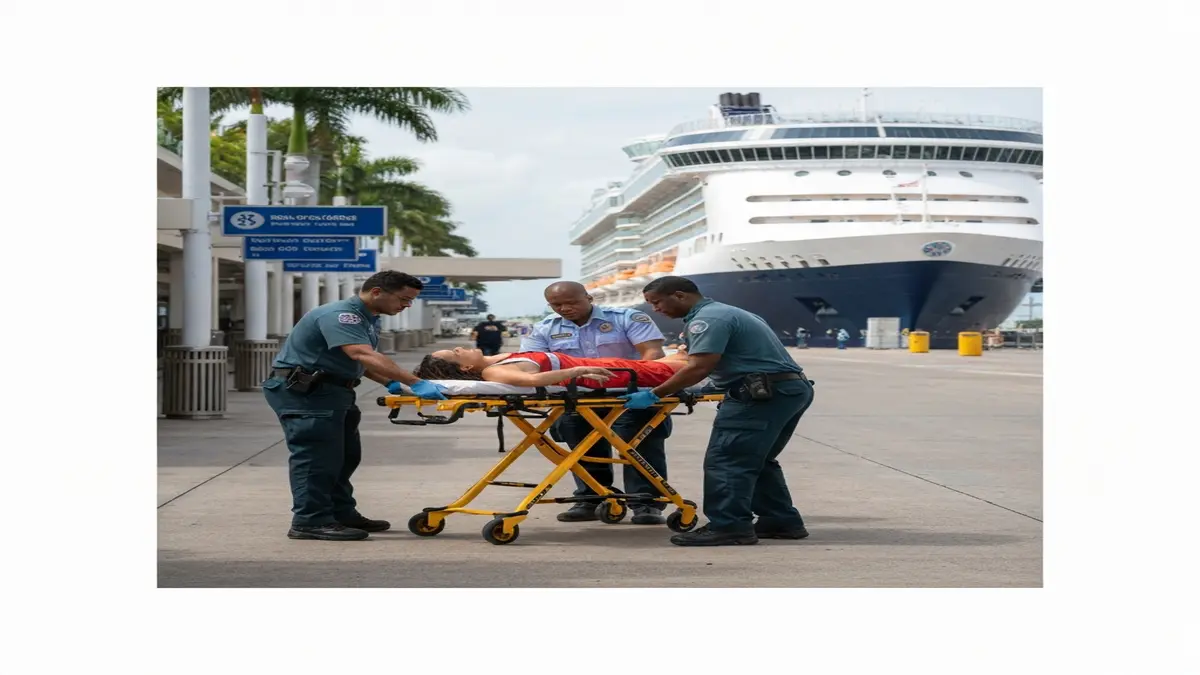
Imagine this: It’s the day of your much-anticipated Florida cruise. You’re excited to set sail, but suddenly, you experience severe chest pains or a serious allergic reaction. You rush to the nearest emergency room in Florida, only to be faced with staggering medical bills. Without adequate USA hospital travel insurance, these unexpected costs can quickly escalate, turning a dream vacation into a financial nightmare.
Before you choose a policy, compare and buy travel insurance online so you can check medical maximums, deductibles, exclusions, and cancellation benefits side by side.
The Real Cost of an ER Visit in Florida
The cost of emergency medical care in the United States is notoriously high. According to Squaremouth, industry claims data shows the average Emergency Medical claim is more than $1,600. In Florida, a visit to the emergency room for a condition that is not immediately life-threatening (ESI 2) could cost several hundred dollars or more, even before any extensive treatment. For more serious issues requiring hospitalization, costs can skyrocket into the tens of thousands. For example, diagnostic imaging and even a short overnight hospital stay are each billed separately, and doctor’s fees and procedures come on top of those charges.
Cruise Departure Medical Emergencies
Many travelers assume travel insurance only covers issues that occur at their destination or during transit to it. However, a significant risk for cruise passengers departing from Florida is a medical emergency in the hours or days leading up to embarkation. A scenario could involve a sudden illness like appendicitis, an accidental injury while exploring a port city, or a severe flare-up of a pre-existing condition. If you miss your ship’s departure due to hospitalization, trip cancellation or interruption coverage within your travel insurance policy may help recoup non-refundable cruise fare and other related expenses.
Medical Coverage Limits and Deductibles Explained
When looking at USA hospital travel insurance, pay close attention to the coverage limits and deductibles. Plans vary widely. For instance, Squaremouth reports average premiums across popular Emergency Medical limits of $50,000, $100,000, and $250,000, and some plans go higher still. The deductible is the amount you pay out-of-pocket before your insurance coverage begins; this can range from $0 to several thousand dollars. Without ample coverage, you could face significant out-of-pocket expenses, especially with medical inflation in the U.S.
Fine print travelers miss
It’s easy to overlook critical details in policy documents. For example, many plans have exclusions for pre-existing conditions unless a specific waiver is purchased, which often requires buying insurance within a short window of your initial trip deposit. It’s vital to read the Certificate of Insurance carefully to understand what is and isn’t covered, including specific dollar limits for different types of care and any waiting periods before coverage becomes active. Remember, quote pages are not the full policy wording.
What to compare before you buy
- Medical Maximum: Look for a high limit, ideally $100,000 or more, given U.S. healthcare costs.
- Deductible: Choose a deductible that fits your budget, understanding that a lower deductible means a higher premium.
- Trip Cancellation/Interruption: Ensure coverage extends to events preventing you from boarding your cruise, including illness or injury before departure.
- Pre-existing Conditions: Check if waivers are available and if you meet the strict eligibility requirements, typically related to the timing of purchase.
Emergency Medical Evacuation
While not directly related to an initial ER visit, emergency medical evacuation is a critical component of USA hospital travel insurance, especially for cruise passengers. If your condition is severe and requires specialized care not available at the initial medical facility or on the ship, you might need to be transported to a hospital equipped to handle your needs. According to Squaremouth, some plans offer Medical Evacuation coverage up to $1,000,000, which can be invaluable in such circumstances. This coverage is distinct from basic medical expenses and is specifically for transport.
Sources and policy checks
Guidance from the U.S. Department of State, CDC, CMS, NAIC, and Healthcare.gov can help travelers verify medical coverage limits, exclusions, emergency rules, and policy wording before buying travel insurance.
Ready to protect your trip with the right coverage? Compare travel insurance plans for USA trips and get a quote before you travel.
