
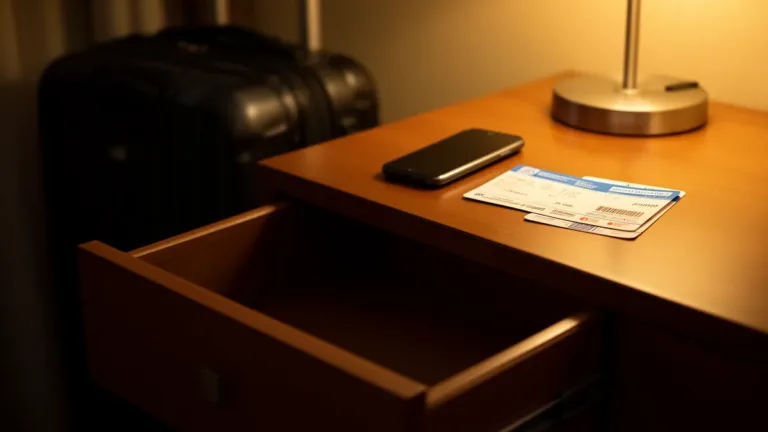
A lost passport abroad is rarely the disaster travelers imagine, and almost always slower than they expect. The document is replaceable. What costs you is the sequence — the order you do things in decides whether you are back on a plane in two days or five, and whether any of it is reimbursable afterwards.
Here is what the first forty-eight hours actually look like for a US citizen, and where a travel policy does and does not help.
Hour one: establish it is gone, then report it
Search properly before you report — once a passport is reported lost or stolen it is invalidated permanently, and finding it in a coat pocket the next morning does not bring it back to life. You cannot travel on a passport you have reported, even if it is physically in your hand.
Once you are certain:
- File a report with the local police. Ask for a written report or a reference number. Some consulates will proceed without one, insurers generally will not, and in several countries a police report is what protects you if the document is later used fraudulently.
- Contact the nearest US embassy or consulate. Not the embassy in the capital by default — the nearest consulate may be far closer and issue the same document. Every post publishes an emergency number that is answered outside business hours.
- Tell your travel insurer and your card issuer. Notification deadlines in policy wordings are short and are enforced. Making the call costs nothing and preserves the claim.
Hours two to forty-eight: the replacement
US consulates issue two different things, and the difference matters for your flights.
An emergency limited-validity passport is issued quickly — often same-day or next-day for genuinely imminent travel — and is valid for a limited period, typically enough to get you home or complete an urgent trip. A full-validity replacement takes longer and is what you would apply for if your trip continues for weeks.
You will be asked for form DS-64 (the statement about the lost or stolen passport) and form DS-11 (the application for a new one), a passport photo, proof of identity and citizenship, and evidence of your travel plans. Bring whatever you have: a photocopy or phone photo of the data page, a driver’s license, a birth certificate image in your email, the booking confirmation. None of it is individually sufficient; together it usually resolves the identity question in one visit rather than two.
Two practical points that save a day each. Consulates issue by appointment, but genuine emergencies are handled outside the appointment system — say plainly on the phone that you have no travel document and an imminent departure. And photo booths near consulates are common but not universal; if you can arrive with compliant photos already taken, do.
What this costs, and what a policy covers
Be precise about what is reimbursable, because the wording differs sharply between products.
No travel insurance policy replaces a passport. What some policies carry is a lost documents or travel documents benefit, which may reimburse the official replacement fee and reasonable local transport and accommodation costs incurred solely to obtain the replacement. Where a policy has no such benefit, the costs may still surface elsewhere: additional nights and a rebooked flight can fall under trip delay or trip interruption, depending on why you are delayed and how the wording is drawn.
Two conditions decide most of these claims:
- Theft versus loss. Many wordings cover theft and exclude simple loss. This is precisely why the police report matters — it is the document that establishes which one happened.
- Receipts and the reporting deadline. Keep every receipt, including taxis to the consulate, and report within the window the policy states.
If you are unsure how your own wording treats this, the general method is in How to Read a Travel Insurance Policy Before You Buy, and the documentation that actually gets claims paid is set out in Filing a Travel Insurance Claim. The reasons claims fail are collected in Travel Insurance Claim Denied: The Most Common Reasons — missing reports and late notification lead that list.
Call the right number
Travelers routinely call the claims department when what they need is the assistance line. They are different functions: claims handles reimbursement after the fact, assistance is the 24-hour operational desk that can arrange things while you are still standing in the street. Assistance is who you want when you have no documents. We explain the split in The Assistance Line vs the Claims Team.
Ten minutes before you leave home
Everything above gets dramatically easier if you did four things in advance:
- Photograph the data page and store it somewhere reachable without your phone — an email to yourself, not only a local photo album.
- Enrol in STEP, the State Department’s free Smart Traveler Enrollment Program. It is how the nearest consulate knows you are in the country.
- Carry the passport separately from your cards, and leave it in the hotel safe when the day’s plan does not require it.
- Save the consulate’s emergency number offline, alongside your policy number and your insurer’s assistance line.
Anyone away for a semester rather than a fortnight should also read A Semester Abroad: The Coverage a University Plan Leaves Behind — over four months this stops being a remote possibility.
The same habit protects you when the bag rather than the document goes missing — see Baggage Delay and Lost Luggage: What the Benefit Really Pays. And if the trip goes wrong medically rather than administratively, What to Do If You Are Hospitalised Abroad and Health Insurance Abroad: Where US Plans Stop Working cover the two situations that cost travelers the most.
This article is general information, not insurance advice. Cover, conditions and deadlines vary by policy and by insurer — always read your own wording, and confirm current consular procedures with the US Department of State.
